
We’ve all been to events where you sit in the same chair all day, listen to a series of speakers, and leave feeling a bit overloaded—and not much else. That was exactly the issue with this event.
The content was good. The speakers were strong. But the experience felt flat.
Attendees were getting tired, conversations were limited, and feedback usually landed somewhere around: “Interesting, but I probably won’t remember much of it.” The challenge was to make the event feel different — without adding more speakers or blowing the budget.
How can we do this?
Instead of asking, “What happens on stage?”, we asked: “What if the space did some of the work?”
The idea of let’s stop treating the venue like a room full of chairs and start thinking of it as part of the experience. If people move, choose where they go, and interact with their surroundings, they’re naturally more engaged.
So what changed?

Rather than keeping everyone in one room all day, the venue was broken into different areas, each designed for a specific kind of activity:
• Spaces to try things out
• Small areas for conversation
• Quiet corners for thinking and reflecting
• Open areas for short, punchy talks
This meant delegates weren’t stuck in one place—and didn’t feel like they were.

Sessions were shorter and spread out around the venue/areas available. Moving between spaces gave people a mental reset, sparked casual conversations between employees, and kept energy levels up.
Walking to the next session wasn’t dead time—it was part of the experience.

The way information was shared changed depending on which area they visited:
• Big ideas were introduced standing up, no slides
• Workshops happened around walls and tables, not screens
• Storytelling took place in more relaxed, informal settings
• Interactive spaces where there were a little more action and less conversation
The space helped set the tone, instead of everything feeling the same.
What we found
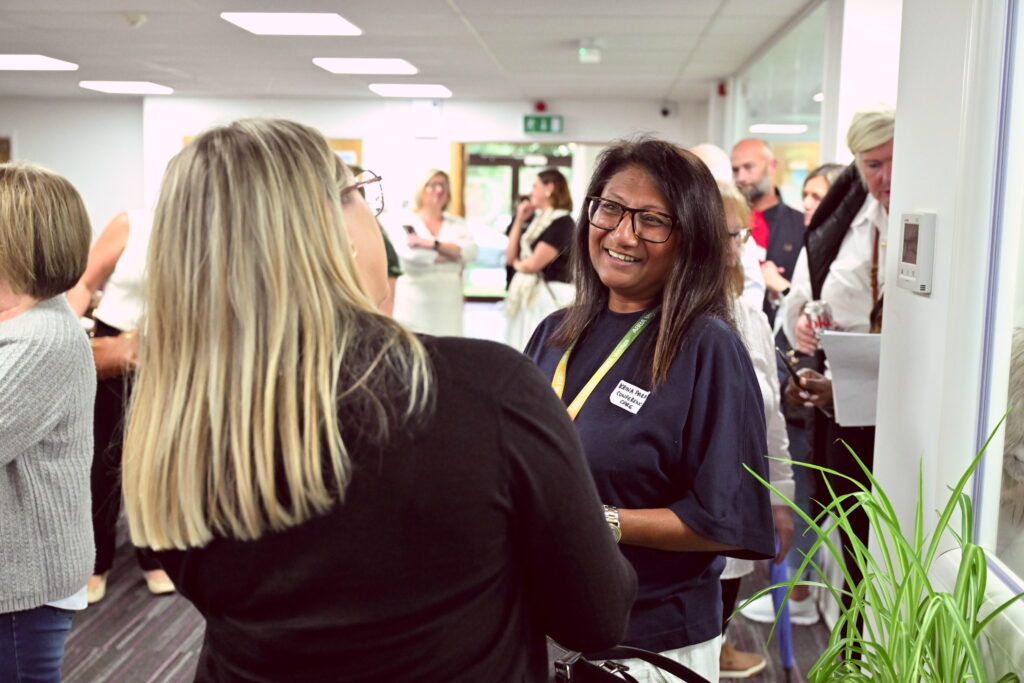
The difference was noticeable almost immediately, delegates were more involved and less distracted, they talked to each other without being prompted and they stayed engaged right through the day.
Post-event feedback was exceptional, with comments saying the experience was energising, refreshing, and not like a typical conference. Delegates took so much more away and also remembered more of the key ideas because instead of just listening, they’d actually done something with them.
Key Take Aways
• You don’t need people sitting down to get them to listen
• Movement helps thinking
• Spaces quietly shape how people behave
• Small changes to layout can make a big difference
Most importantly, people don’t want to just attend events—they want to feel part of them.
By getting creative with the space, this event stopped being a day of listening and became a day of doing, talking, and exploring. It proved that making events better isn’t about more content—it’s about creating the right environment for that content to land.
Contact us
For venue finding or event management services, speak to our expert team by emailing enquiries@conferencecare.com or calling 02476 369 720.